Engines for Sale South Africa with Affordable Replacement Options
Engines for Sale South Africa with Affordable Replacement Options
Blog Article
Engines for Sale: Browse Quality Parts for Your Vehicle
When searching for engines for purchase, vehicle owners must focus on excellence and fit. Several online marketplaces provide comprehensive inventories, but informed consumers need to meticulously review each selection. Elements including engine type, condition, and seller reputation serve as crucial elements in the decision-making process. With so many selections to consider, understanding the intricacies of engine specifications and warranties remains important. What should buyers consider before making a investment?
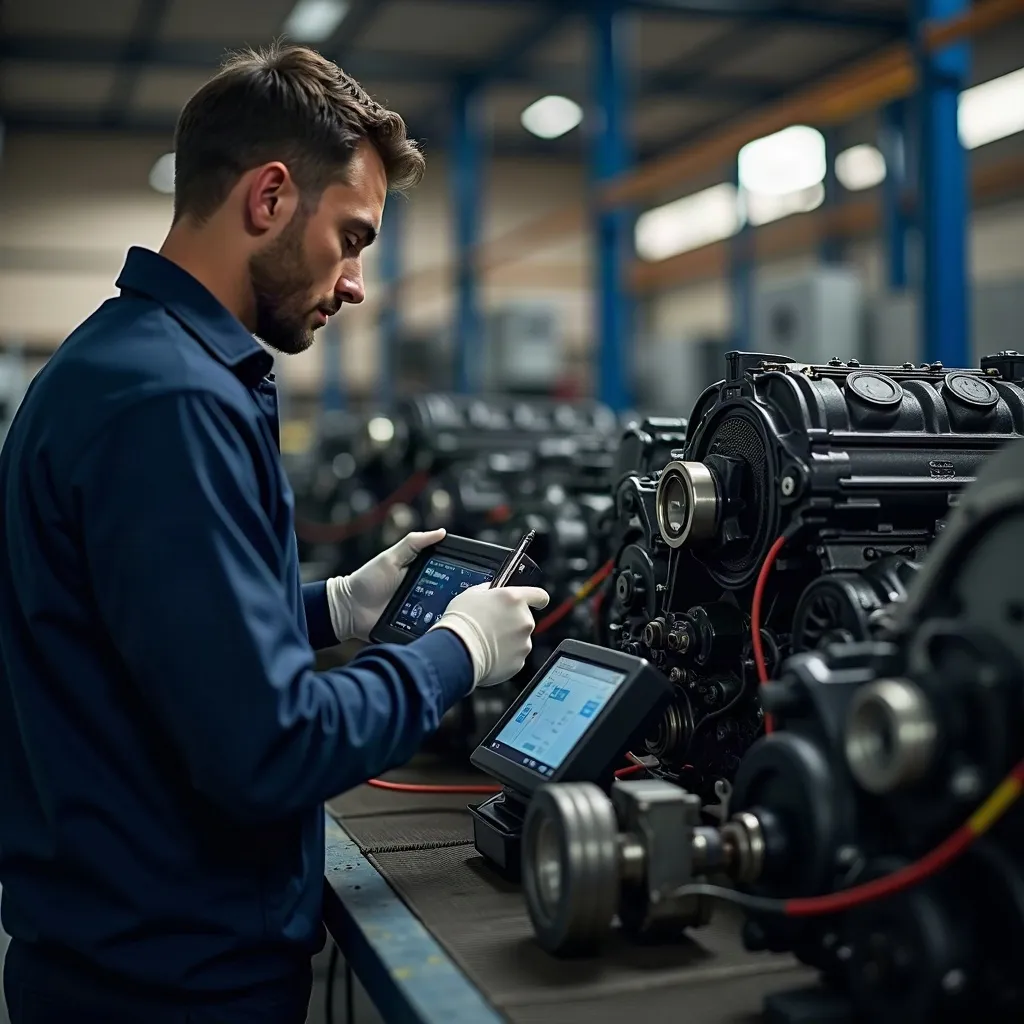
Identifying Your Engine Type and Needs
How does one determine the suitable motor category and specifications for their specific needs? First, it is essential to identify the vehicle's make, model, and year, since these aspects dictate compatibility. Then, examining the intended use is important; for instance, heavy towing or off-road driving may call for a more capable engine. Fuel efficiency demands also are important, because different engine types like gasoline or diesel provide varying output and economy.
Furthermore, grasping engine displacement, power output, and rotational force specifications can direct the choice, guaranteeing the engine satisfies performance expectations. Investigating sector benchmarks and speaking to professionals can additionally clarify options. In conclusion, financial factors, including acquisition and setup expenses, must be taken into account. By assessing these aspects, one can create an informed decision that aligns with both their automotive needs and individual driving preferences.
Excellent Virtual Hubs for Motors Available for Sale
When looking for engines online, various popular sellers and specialty parts marketplaces offer a wide selection to meet varied requirements. These platforms give users with availability to both new and restored choices, appealing to different budgets and preferences. Understanding the strengths of each marketplace can aid in forming an well-researched purchasing decision.
Prominent Engine Suppliers Online
The quest for quality engines has been greatly simplified by the growth of online marketplaces. Among the most popular retailers are eBay Motors and Car-Part.com, which provide a extensive selection of pre-owned and brand new engines from different manufacturers. These platforms deliver thorough listings, including compatibility information and customer reviews, guaranteeing buyers take informed decisions. Additionally, Amazon has joined the automotive sector, offering engines alongside parts and accessories, drawing a wider audience. RockAuto is another notable option, focusing in hard-to-find engines and parts. These online retailers not only improve accessibility but also promote reasonable pricing, allowing it easier for consumers to find the right engine for their vehicle needs without the hassle of traditional shopping.
Niche Parts Exchanges
A variety of expert parts marketplaces focus on engine buyers seeking unique or scarce options. Platforms like eBay Motors and Car-Part.com offer broad inventories, often including hard-to-find engines and performance parts. Detailed listings with specifications and condition reports help users, allowing informed buying choices. Additionally, niche sites like Summit Racing and JEGS specialize on high-performance engines and aftermarket components, appealing to enthusiasts and racers. These marketplaces frequently feature user reviews and ratings, enhancing trustworthiness and allowing buyers to gauge seller reliability. Through these specialty marketplaces, buyers gain access to more engine options, helping them find the perfect match for their vehicle's requirements.
Analyzing Engine Quality: Key Factors to Remember
Assessing motor performance is crucial for maintaining peak performance and durability in any vehicle. Key aspects should be evaluated during this assessment. First, the engine's track record is vital; knowing whether it has been rebuilt or has incurred any deterioration can shed light into its dependability. Second, usage distance plays a significant role; reduced miles often suggests minimal deterioration, though it's not the sole indicator of quality.
Third, the state of the engine components should be assessed, such as the block, pistons, and valves, as these parts are essential to engine operation. Additionally, reviewing service history can reveal how well the engine has been cared for over time. Finally, the reputation of the manufacturer or seller should not be overlooked, as trusted brands typically offer better quality control. Together, these factors lead to an informed decision when choosing an engine.
Analyzing Engine Specs: What You Need to Know
Comprehending engine specifications is important for making wise purchasing decisions. Key factors consist of the engine type, which affects performance and suitability, along with displacement and power output, which directly impact the vehicle's capabilities. Moreover, fuel efficiency is crucial in long-term cost considerations, making it vital to assess these aspects thoroughly.
Engine Type Consequence
When picking an engine, the engine type is vital in determining performance, efficiency, and compatibility with specific vehicles. Various engine types, such as inline, V-type, and rotary, each present unique characteristics that affect driving review article dynamics. Inline engines are often praised for their simplicity and compact design, while V-type engines typically deliver more power and smoothness. Rotary engines, though less common, are celebrated for their lightweight and high-revving nature. Understanding these distinctions helps consumers to select appropriately that align with their driving needs. Additionally, engine type influences fuel economy, emissions, and maintenance requirements, making it critical for buyers to examine these factors when searching for an engine that fits their vehicle specifications and performance expectations.
Displacement and Power Generation
Displacement and engine output are key elements in engine specifications that directly influence a vehicle's performance. Displacement, measured in liters or cubic centimeters, indicates the total volume of all the engine's cylinders. Generally, a larger displacement permits more air and fuel intake, resulting in higher power output. Power output, often expressed in horsepower or kilowatts, indicates the engine's ability to perform work. It shows how quickly a vehicle can accelerate and maintain speed. Together, these metrics provide valuable insights into an engine's capabilities, helping consumers make informed decisions when considering engine options. Understanding these specifications is essential for evaluating potential performance, guaranteeing that the chosen engine meets the driver’s needs and expectations.
Fuel Efficiency Aspects
While horsepower and efficiency often lead the conversation in engine discourse, gas mileage plays a vital role in the overall value of an engine. Buyers more frequently prioritize engines that supply better miles per gallon (MPG) ratings, as these produce cheaper fuel expenses and reduced environmental impact. Elements impacting fuel efficiency feature engine design, weight, and the type of fuel used. Turbocharged engines, for instance, can offer impressive power while maintaining good fuel economy. Additionally, advancements in technology, such as fuel injection systems and hybrid configurations, enhance efficiency. Buyers should review not only the engine's power output but also how it fits with their fuel efficiency goals, guaranteeing a balanced choice that fits both performance needs and budget constraints.
Purchasing Pre-owned Engines: Important Tips
Purchasing a used engine can be an intimidating task, especially for those unacquainted with the complexities involved. It is vital to conduct thorough research before making a decision. Buyers should start by identifying reputable sellers, whether through internet marketplaces or local salvage yards. Checking feedback and ratings can provide valuable insights into the seller's reliability.
Next, obtaining the engine’s background is important. This comprises mileage, earlier maintenance, and any registered problems. A physical inspection can reveal signs of wear, such as fluid leaks or oxidation, and it is recommended to conduct a compression test to assess the engine's condition. Additionally, confirming compatibility with the vehicle model guarantees a smoother installation process.
Finally, purchasers should be ready to discuss the price, keeping in mind the engine's condition and market value. By following these tips, individuals can make informed choices and improve their chances of a successful purchase.
Protection and Return Rules: What Is Important to Recognize?
When acquiring a used engine, comprehending warranty coverage and return procedures is essential. A comprehensive warranty plan often indicates the seller's trust in the engine's dependability. Purchasers should carefully review the warranty terms, observing the length and protection details, including parts and labor. Some warranties may only cover specific issues, while others provide more extensive coverage.
Return standards also play an important role. Purchasers should determine if returns are accepted, the timeframe for returns, and any restock charges. Generally, a seller may require the engine to be in original condition for a refund to be approved.
It is advisable for buyers to register the engine's condition upon purchase, as this can facilitate any warranty submissions or reimbursements if issues arise. Ultimately, understanding these policies can safeguard the buyer's investment and provide mental security in the buying journey.
Engine Maintenance: Tips for Longevity
Proper upkeep is critical for prolonging the longevity of any motor. Consistent oil changes are crucial, as fresh oil reduces friction and keeps components properly lubricated. It is recommended to check the oil level periodically and replace it based on the producer's recommendations. Additionally, tracking coolant levels helps prevent overheating, while confirming that belts and hoses are in proper condition can avert expensive repairs.
Air filters need to be inspected regularly; a clean filter promotes efficient air intake, boosting engine performance. Tire maintenance, including proper inflation and rotation, also aids in overall vehicle health.
Ultimately, following a regular upkeep plan and tackling any alert indicators quickly can prevent minor issues from worsening. By adopting these methods, vehicle owners can guarantee their engines run efficiently and extend their durability significantly.
Frequently Inquired Queries
What Actions Should I Take to Validate the Merchant's Track Record Before Buying an Motor?
To validate a seller's standing, one ought to explore online reviews, examine ratings on reputable platforms, obtain recommendations from trusted sources, and explore warranties or return policies to provide assurance in the purchase.
What Are Typical Indicators of Engine Deterioration or Harm?
Standard indicators of engine wear or damage comprise unusual noises, heavy emissions, oil leaks, reduced efficiency, and warning lights on the dashboard. These indicators indicate possible problems calling for additional examination or professional evaluation.
Should I Install a New Engine on My Own, or Hire a Specialist?
Figuring out whether to affix a new engine on your own or contract a professional copyrights on experience and tools. While proficient individuals could succeed, most ought to weigh professional assistance to confirm proper installation and avoid conceivable complications.
What Tools Do I Require for Engine Installation?
For engine setup, essential equipment include a socket set, wrenches, screwdrivers, an engine hoist, a torque wrench, and an oil filter wrench. Safety equipment, like gloves and goggles, is also recommended to ensure a safe process.
How Do I Correctly Dispose of My Old Engine?
To get rid of an old engine appropriately, one should get in touch with local recycling centers or scrap yards. Many facilities receive engines for recycling, ensuring environmentally responsible disposal while possibly providing monetary compensation for the scrap metal.
Report this page